

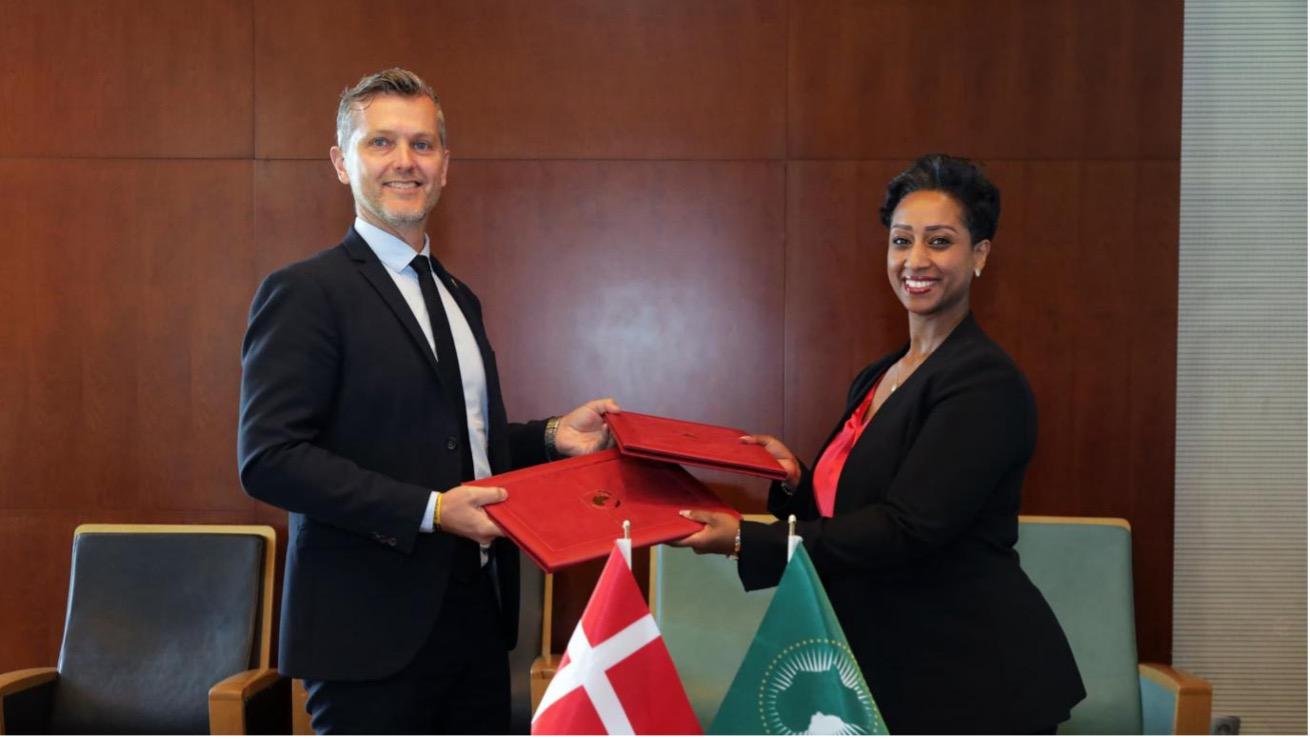
A comprehensive overview of how ACCD is structured as a Social Economic Enterprise — blending cultural mission with sustainable economic principles to serve the African diaspora and Danish society, and the entire Scandinavia alike.
The African Cultural Centre Denmark was established with a bold and far-reaching vision: to promote African art, music, history, and culture within Denmark, and in doing so, foster genuine cross-cultural understanding and lasting collaboration between communities. From its very inception, ACCD has sought to be more than an institution — it aspires to be a living, breathing forum where ideas, traditions, and creative expressions can be freely exchanged across national and ethnic boundaries.
At the heart of this vision lies a commitment to openness. ACCD was conceived as a space where interests transcend the narrow confines of nationality and ethnicity, welcoming participation both from within Denmark and from across the African continent. This inclusive ethos shapes every aspect of the organisation — from its governance to its programming — ensuring that the centre remains truly representative of the communities it serves.
The founding story of ACCD draws inspiration from similar pioneering initiatives, most notably Danafrika Kultur, which began as a modest trading venture before evolving into a fully-fledged cultural association. This precedent demonstrated that meaningful cultural work can emerge organically from commercial enterprise, and that sustainability and mission need not be in conflict. ACCD’s founders recognised this model as a blueprint worth building upon, adapting it to the unique cultural landscape of contemporary Denmark.
Cross-Cultural Vision
Fostering dialogue that transcends national and ethnic borders across Denmark and Africa.
Community Rooted
Built from the grassroots, inspired by the lived experiences of the African diaspora in Denmark.
Inspired by Precedent
Drawing on the success of Danafrika Kultur and similar cultural-commercial hybrid organisations.
What is a Social Economic Enterprise?
A Social Economic Enterprise operates at the intersection of commercial viability and social purpose. It generates revenue through trade and services, but reinvests surplus profits back into its social or cultural mission rather than distributing them to shareholders. This model ensures long-term sustainability while keeping the organisation anchored to its founding values.
For ACCD, this legal status is not merely administrative — it is a philosophical commitment to ensuring that every kroner earned serves the greater mission of cultural promotion, community development, and intercultural dialogue.
Why This Structure Matters
Registering as a Social Economic Enterprise grants ACCD a distinct identity in the Danish organisational landscape. It signals credibility to funders, partners, and public bodies, while also providing a flexible framework for income generation. Unlike a purely charitable model, this structure enables ACCD to pursue earned income streams without compromising its mission integrity.
This approach aligns closely with the model adopted by the Nordic Culture Fund, which maintains a clear organisational structure to fulfil its mandate of promoting cultural cooperation across borders. Similarly, ACCD uses this structure to remain agile, accountable, and impact-driven — capable of responding to community needs while sustaining itself financially.
The Social Economic Enterprise model ensures that all commercial activity directly supports ACCD’s cultural and social objectives — creating a virtuous cycle of mission and sustainability.
Governance: The Steering Committee and General Assembly
ACCD’s governance structure is designed to ensure democratic accountability, strategic oversight, and operational efficiency. Drawing from established models within the Danish third sector, the organisation is governed through a layered system of decision-making bodies, each with clearly defined roles and responsibilities. This structure ensures that the community’s voice remains central to all major decisions, while professional leadership drives day-to-day execution.
1
General Assembly
The supreme decision-making body of ACCD, convened annually. All members are entitled to participate, vote, and shape the strategic direction of the organisation. The General Assembly ratifies major decisions, approves budgets, and elects the Board of Directors — ensuring democratic legitimacy at every level.
2
Board of Directors
Responsible for the day-to-day administration and execution of the General Assembly’s decisions. The Board oversees financial management, operational planning, and strategic implementation. This mirrors the structure of Danafrika Kultur, where the board manages daily operations with a focus on accountability and transparency.
3
President
A key leadership role within the Board, the President is responsible for guiding board deliberations, representing the organisation externally, and ensuring that ACCD’s vision is consistently upheld. The President acts as the public face of the organisation in all formal and diplomatic capacities.
While specific names for ACCD’s current board are not publicly documented, the governance structure is inferred from comparable organisations operating within the Danish cultural sector.
ACCD operates across two interconnected pillars that together form the backbone of its Social Economic Enterprise model. Rather than treating culture and commerce as separate concerns, the organisation has deliberately integrated them — recognising that financial sustainability is a prerequisite for cultural impact, and that cultural authenticity makes commercial activities more meaningful and attractive.
Cultural Programming
This pillar encompasses the development and execution of events, workshops, exhibitions, and educational initiatives designed to showcase the rich diversity of African arts and cultures. Drawing inspiration from initiatives like Danafrika Kultur's "Kulturcaféen," ACCD's cultural programming aims to create immersive, participatory experiences that engage both the African diaspora and the broader Danish public. Educational outreach forms a particularly important component, with programmes tailored for schools, community groups, and professional organisations seeking to deepen their understanding of African cultural heritage. Through storytelling, music, visual arts, and performance, ACCD brings Africa's creative traditions to life in Danish settings.
Trading and Economic Arm
The commercial dimension of ACCD — potentially including the ACCD Online Shop and other income-generating ventures — serves a dual purpose. It generates the revenue necessary to fund cultural activities, and it simultaneously creates a platform for African artisans, entrepreneurs, and creatives to access Danish and European markets. This trading arm reflects the organisation's belief that economic empowerment and cultural promotion are mutually reinforcing. By connecting African producers with Danish consumers, ACCD creates tangible value chains that benefit communities on both continents, embedding economic development within its cultural mission.
The effective functioning of ACCD depends on a dedicated team of professionals, volunteers, and community liaisons working in concert. While the organisation’s structure is inferred from comparable institutions, the following roles represent the core human infrastructure that enables ACCD to deliver on its mission. Each role is carefully calibrated to support both the cultural and commercial dimensions of the Social Economic Enterprise model.

Director / Coordinator
Oversees overall operations, strategic planning, and external relations. The Director serves as the primary bridge between the Board of Directors and the operational staff, ensuring alignment between strategic intent and daily execution. This role also leads fundraising efforts and represents ACCD in partnerships and public forums.

Programme Managers
Responsible for designing, coordinating, and delivering specific cultural initiatives and events. Programme Managers bring specialist knowledge of African cultural traditions and Danish community dynamics, ensuring that each initiative is both culturally authentic and contextually relevant to its Danish audience.

Administrative Staff & Volunteers
The administrative team handles day-to-day operations, finance, and communications — ensuring the organisation runs smoothly and remains responsive to members and partners. Volunteers and community liaisons are equally vital, forming the backbone of event support and serving as authentic ambassadors of ACCD's mission within local communities.
Network and Partnerships: Amplifying Impact
No cultural centre operates in isolation, and ACCD is no exception. The organisation’s ability to amplify its impact depends critically on the strength and diversity of its partnerships — spanning local Danish institutions, pan-African networks, and cross-sectoral alliances that bridge the worlds of culture, education, commerce, and civil society. These relationships are not merely instrumental; they reflect ACCD’s core belief that intercultural understanding is built through sustained, genuine collaboration.
Local Collaborations
ACCD actively engages with Danish cultural institutions, community groups, and municipalities. Its listing with VORES Gentofte exemplifies the kind of local embeddedness the organisation seeks — being recognised and valued as a genuine contributor to Danish cultural life at the neighbourhood and municipal level.
International Networks
Building bridges with African cultural organisations and initiatives is central to ACCD’s identity. These international connections enable genuine cultural exchange, support diaspora communities in maintaining ties with their heritage, and position ACCD as a credible node in a global network of African cultural advocacy.
Cross-Sectoral Alliances
Partnerships with educational bodies, NGOs, and businesses broaden ACCD’s reach and diversify its impact. By engaging across sectors, ACCD ensures that African culture is not confined to specialist cultural spaces, but is integrated into the wider fabric of Danish educational, civic, and commercial life.
These three layers of partnership — local, international, and cross-sectoral — together create a resilient and expansive network that multiplies ACCD’s capacity far beyond what any single organisation could achieve independently.
Financial Sustainability: A Blend of Earned Income and Support
Financial sustainability is a cornerstone of ACCD’s Social Economic Enterprise model. Rather than relying on a single income stream, the organisation has designed a diversified financial architecture that draws on earned revenue, public and private grants, and philanthropic support. This blended approach not only reduces financial risk but also ensures that ACCD remains accountable to multiple stakeholders with complementary interests.
Earned Revenue
Income generated through trading activities, event ticketing, workshop fees, and potential venue hire provides ACCD with direct control over a portion of its finances.
This earned income stream is central to the Social Economic Enterprise identity, demonstrating that cultural organisations can be commercially active without compromising their values.
Grants and Funding
Applications to cultural funds, foundations, and public bodies — including the Nordic Culture Fund and the Danish Centre for Culture and Development (DCCD) — supplement earned income with project-specific and operational support.
These relationships require rigorous reporting and accountability, which in turn strengthens ACCD’s institutional credibility.
Donations and Sponsorships
Support from individuals and corporate sponsors who genuinely align with ACCD’s mission provides both financial resources and reputational endorsement.
Cultivating these relationships requires consistent storytelling about impact and outcomes — a discipline that benefits the entire organisation’s communications strategy.
At its essence, ACCD embodies a powerful proposition: that culture is not a luxury but a necessity — a vital force for social cohesion, economic empowerment, and human flourishing. The organisation’s model demonstrates that when African cultural heritage is celebrated, shared, and economically supported, it creates value that ripples outward through communities, institutions, and economies.
"Culture is both a goal and a means for development — fostering international understanding through the lived experiences of art, music, tradition, and shared humanity."
Stephen King Tweet
The ACCD model is distinctive in its refusal to separate the aesthetic from the economic, the local from the global, or the cultural from the civic. By holding all these dimensions together within a single organisational framework, ACCD offers a template for how diaspora communities can build institutions that are simultaneously rooted and expansive — deeply connected to their cultural origins while fully engaged with the society in which they are embedded.
This integrated approach positions ACCD not just as a cultural centre, but as a social enterprise, a community anchor, and an international bridge — all at once. It is this multidimensionality that makes the ACCD model genuinely innovative and worth studying as an example of sustainable, mission-driven cultural organisation in the Nordic context.

